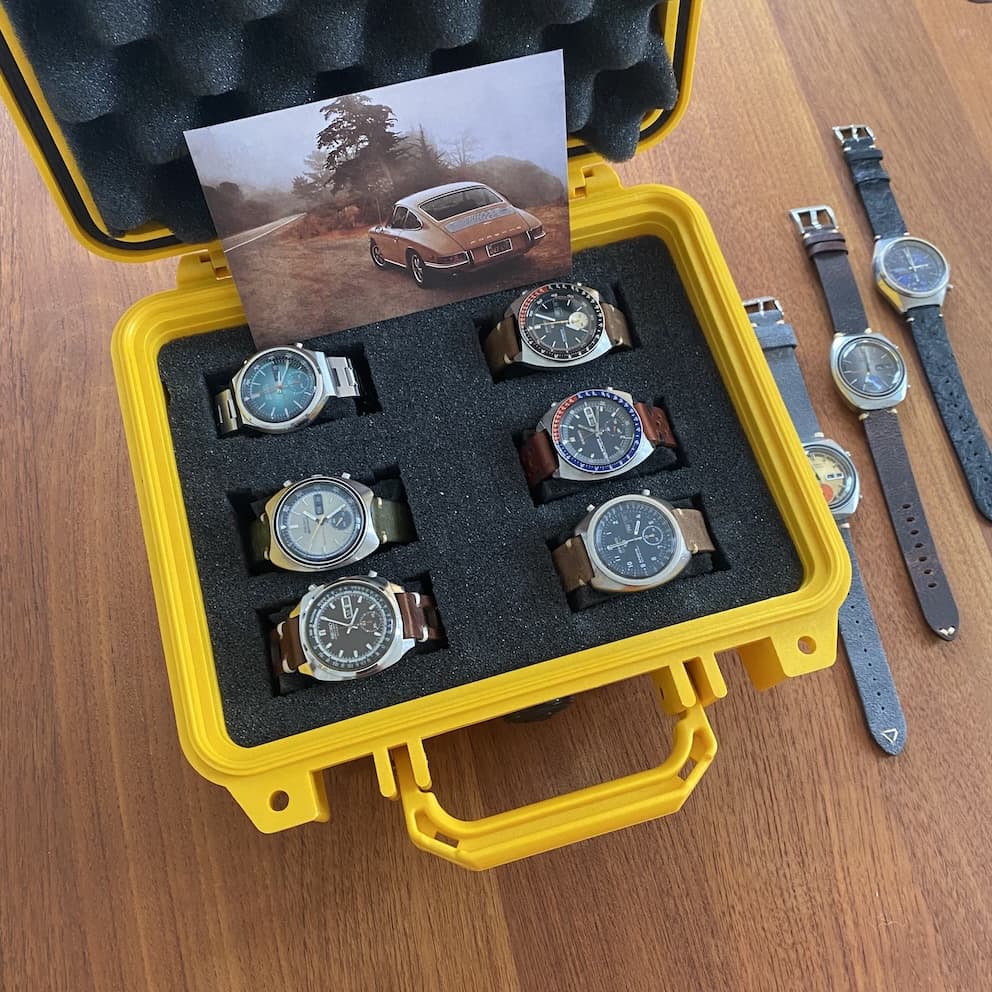
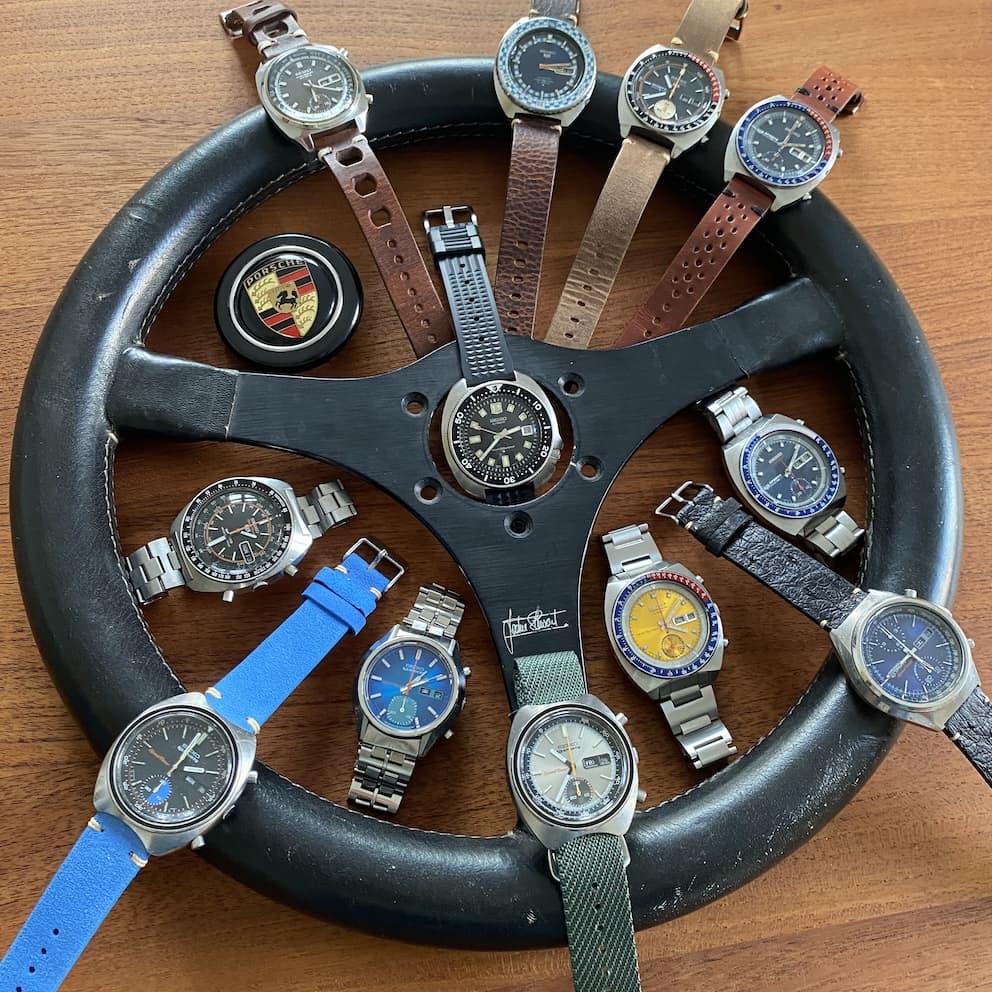
Why Collectors Own Duplicate Watches
written by Mads – May 21, 2024
[affiliate_note]
No, This One Is Not for Sale
At some point almost every watch collector faces the same question.
“Is that the watch you’re selling?”
I usually smile when someone asks. Sometimes because it’s a fair question. Sometimes because the answer is slightly embarrassing.
“No,” I say.
“This one is not the one for sale.”
It just happens to be the same model.
And yes – sometimes there are two.
Occasionally three.
The strange logic of collecting
To non-collectors this makes little sense. Why would anyone own several identical watches? From the outside it looks irrational. From the inside it feels completely natural.
Collectors rarely set out to buy duplicates. It usually happens slowly. A better example appears. Another variation surfaces. A watch with a slightly different dial or a cleaner case becomes available. Suddenly there are two.
The search for the right example
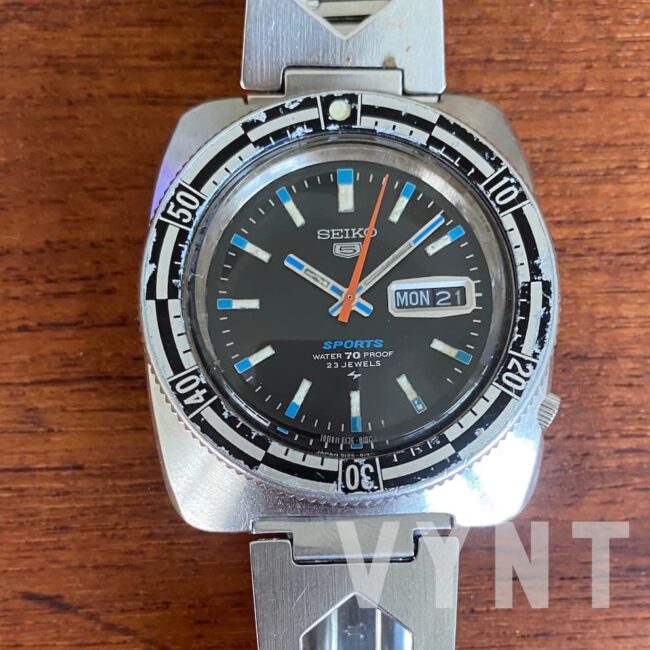
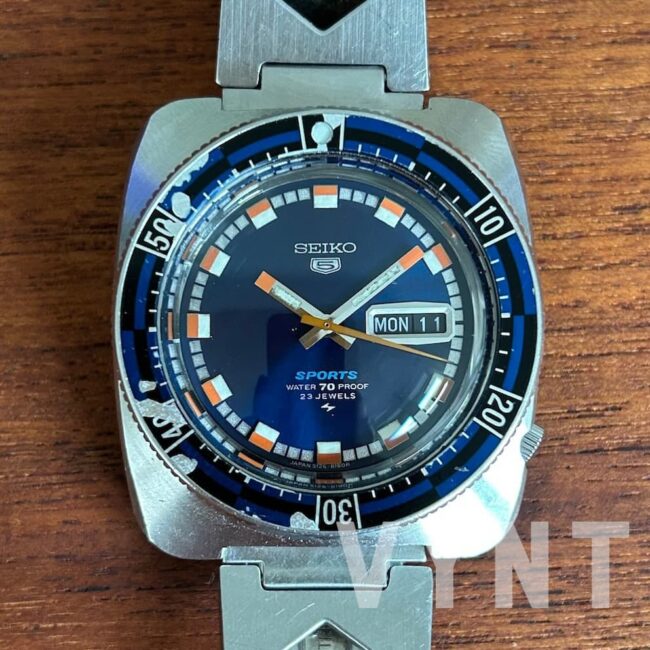
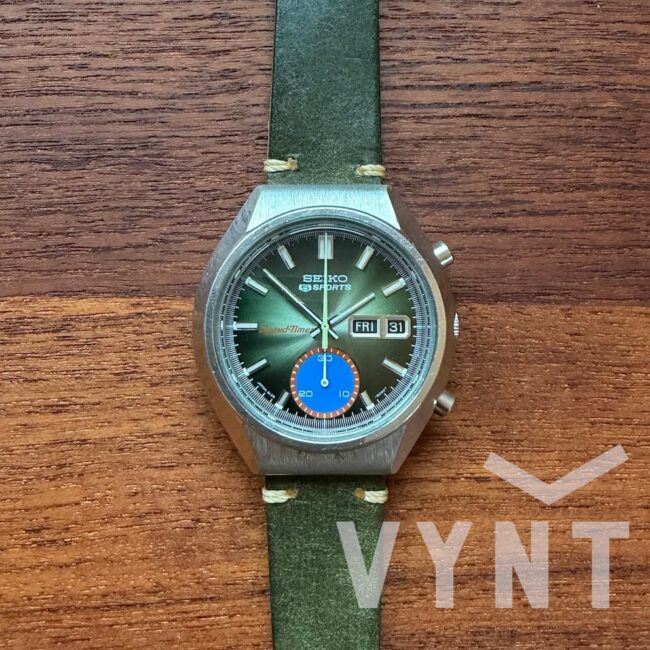
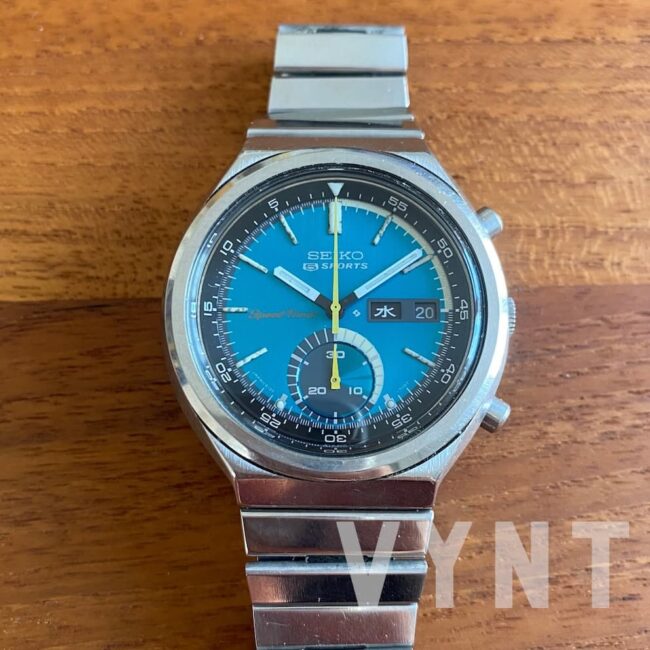
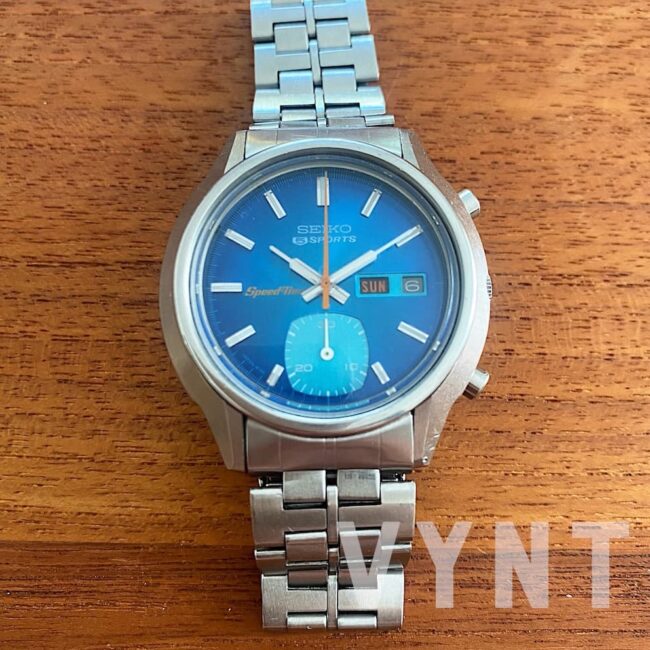
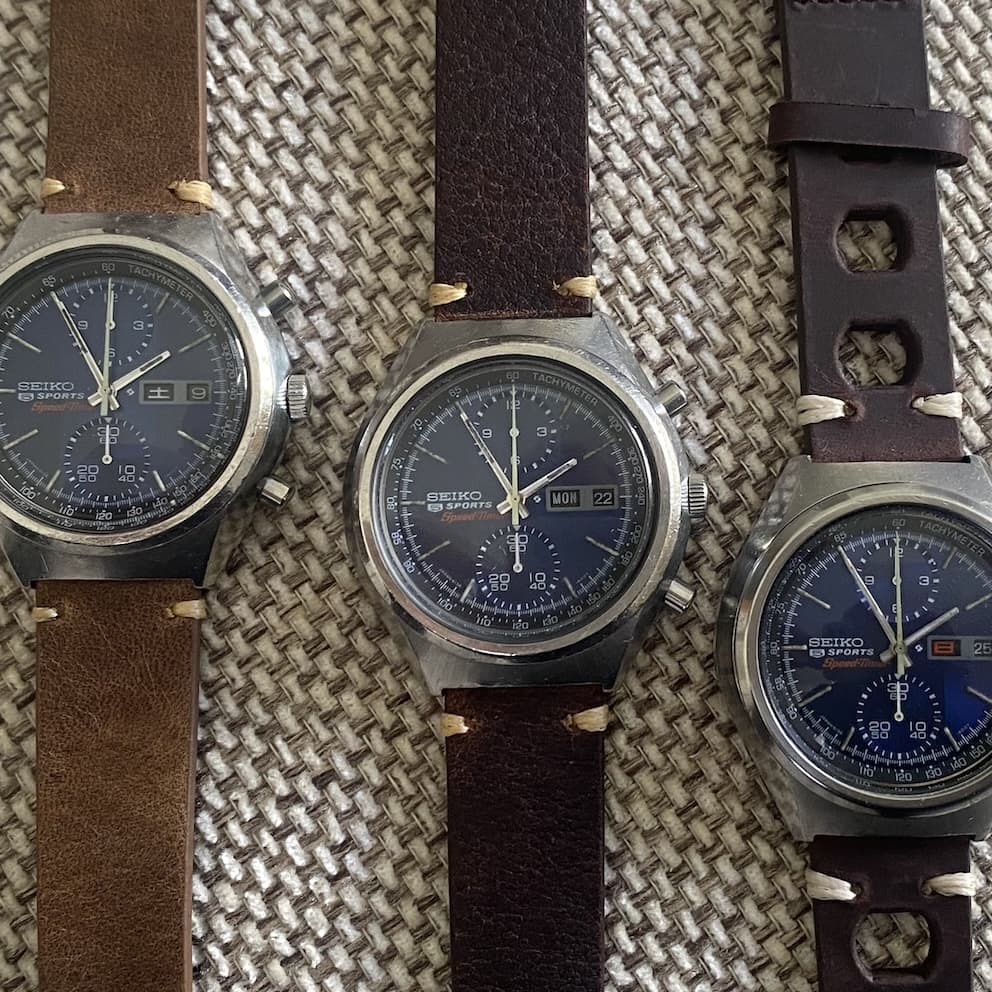
Vintage watches rarely exist in identical condition. Two watches of the same reference can feel completely different on the wrist. One may have a perfectly aged dial. Another may have a sharper case. A third might simply have the right character.
Collectors often buy another example because they want to compare them. Sometimes the intention is to keep the best one and let the other go again. But collectors know how that story often ends. Both stay.
When rarity appears
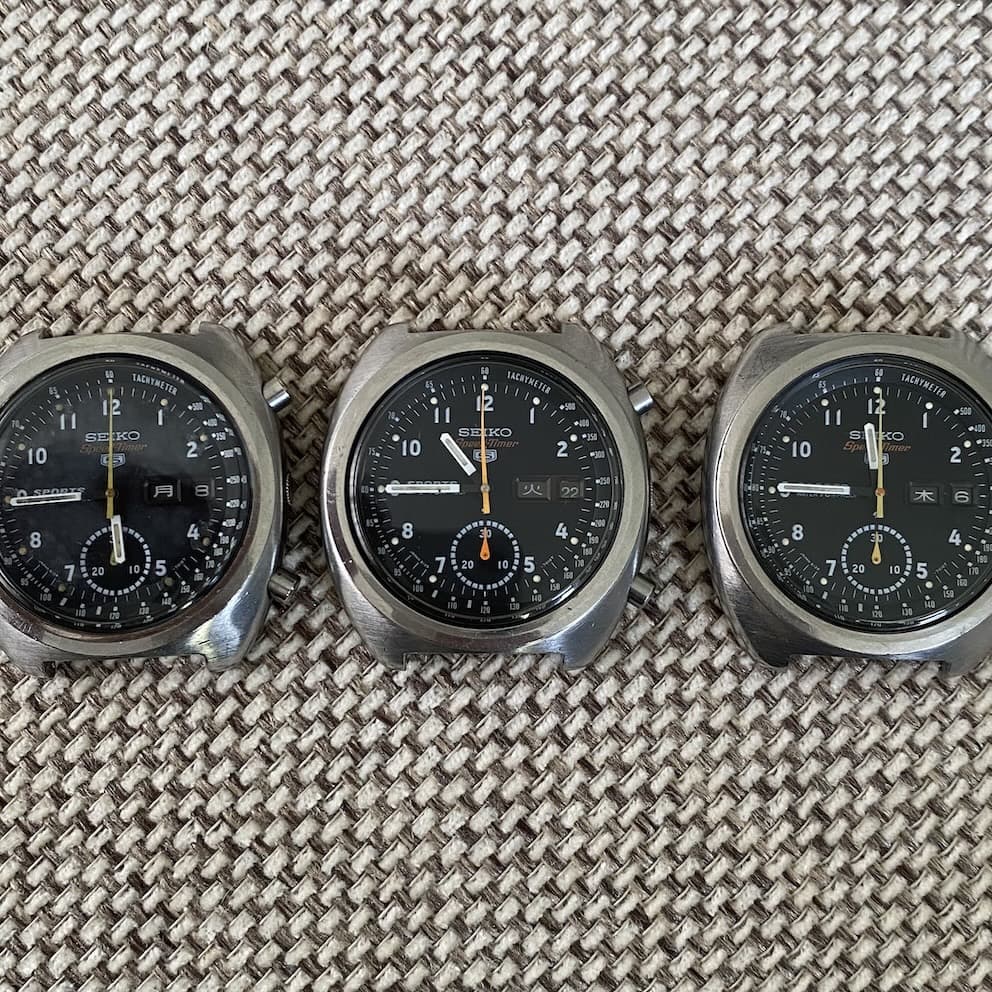
Occasionally the reason is simpler. Some watches appear so rarely that collectors buy them when they get the chance.
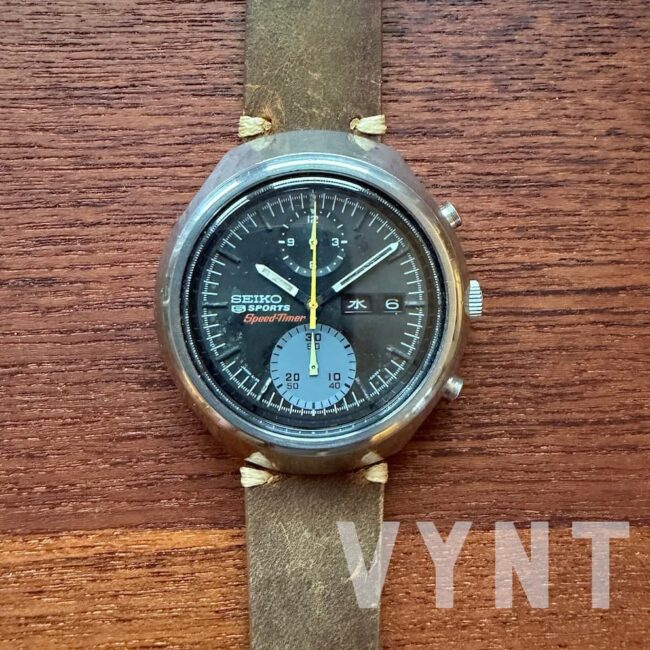
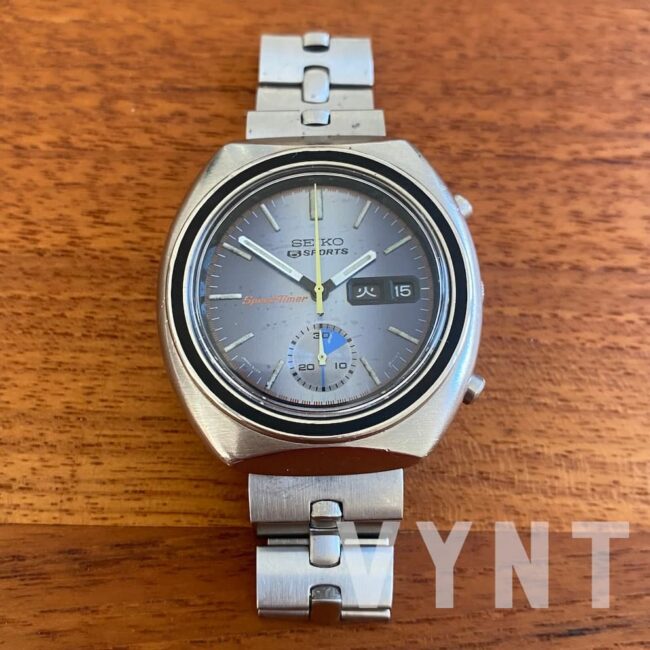
A good example is the Seiko 6138-8010, often nicknamed the “Holy Grail” among vintage Seiko chronographs. Finding one in good condition can take years.
Finding two within a short time feels almost suspicious. Collectors understand that opportunities like this do not appear often. When they do, hesitation disappears quickly.
Every watch has a story
There is another reason duplicates sometimes stay. Memory. Collectors often remember exactly when and where they found a watch. A small shop. A market table. A conversation with another collector. A trip to another city.
The watch becomes tied to that moment. Selling it later can feel surprisingly strange – even if the model itself still exists elsewhere in the collection.
Letting one go
Every collector eventually reaches a point where duplicates begin to move on. Partly because collections grow.
Partly because new watches appear.
Partly because it feels good to see a watch continue its journey.
Passing a watch to another collector is not really the end of its story.
It simply begins a new one.
A small confession
So yes – sometimes I own more than one example of the same watch.
Not because I planned it that way.
But because collecting rarely follows strict logic. And occasionally a watch simply deserves a second chance to stay.