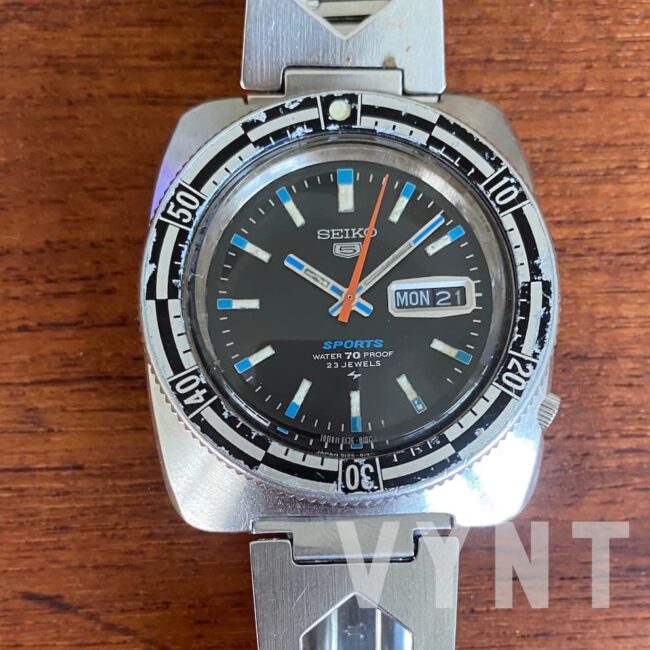
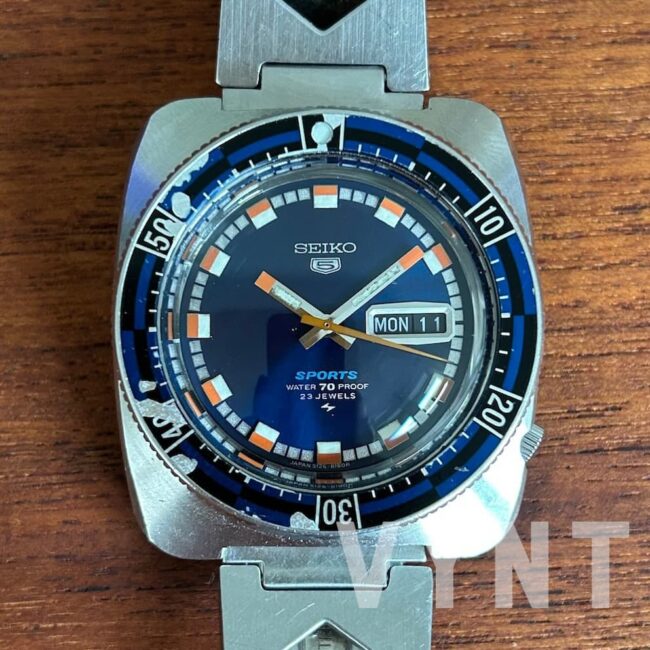

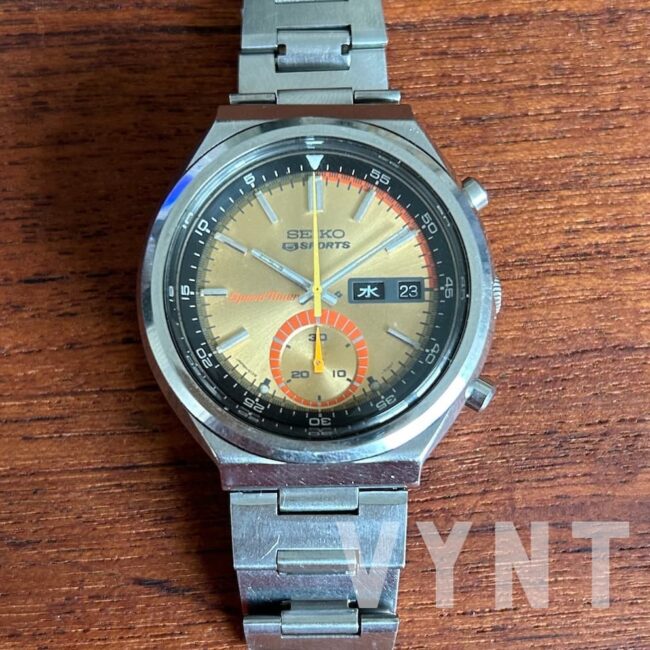
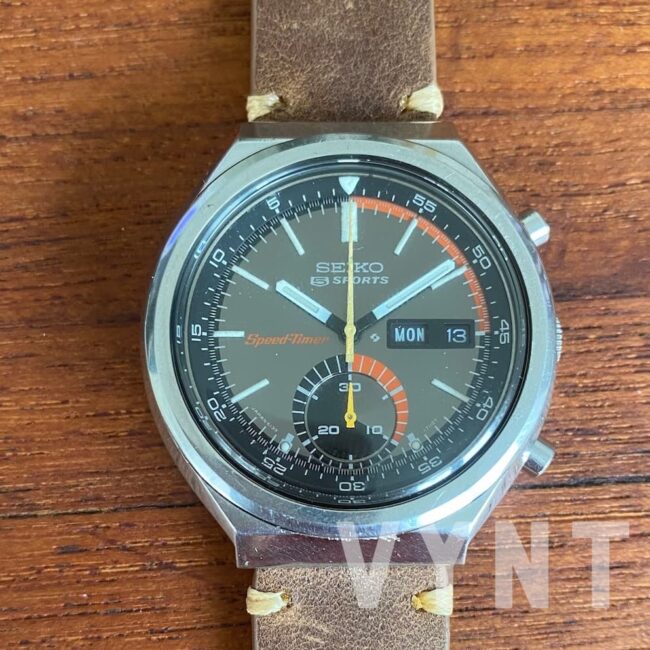



How to Date a Vintage Seiko Watch
written by Mads
May 16, 2026
Some links on this page may be affiliate links. If you purchase through them, I may receive a small commission at no additional cost to you.
Understanding Seiko Serial Numbers and Case Codes
One of the first questions many collectors ask after buying a vintage Seiko watch is simple:
When was this watch made?
Fortunately, Seiko watches often make this surprisingly easy.
With a little knowledge, you can usually determine the production month and year directly from the serial number engraved on the caseback.
This guide explains how to read vintage Seiko serial numbers and how to combine them with reference numbers to determine the approximate production date of a watch.
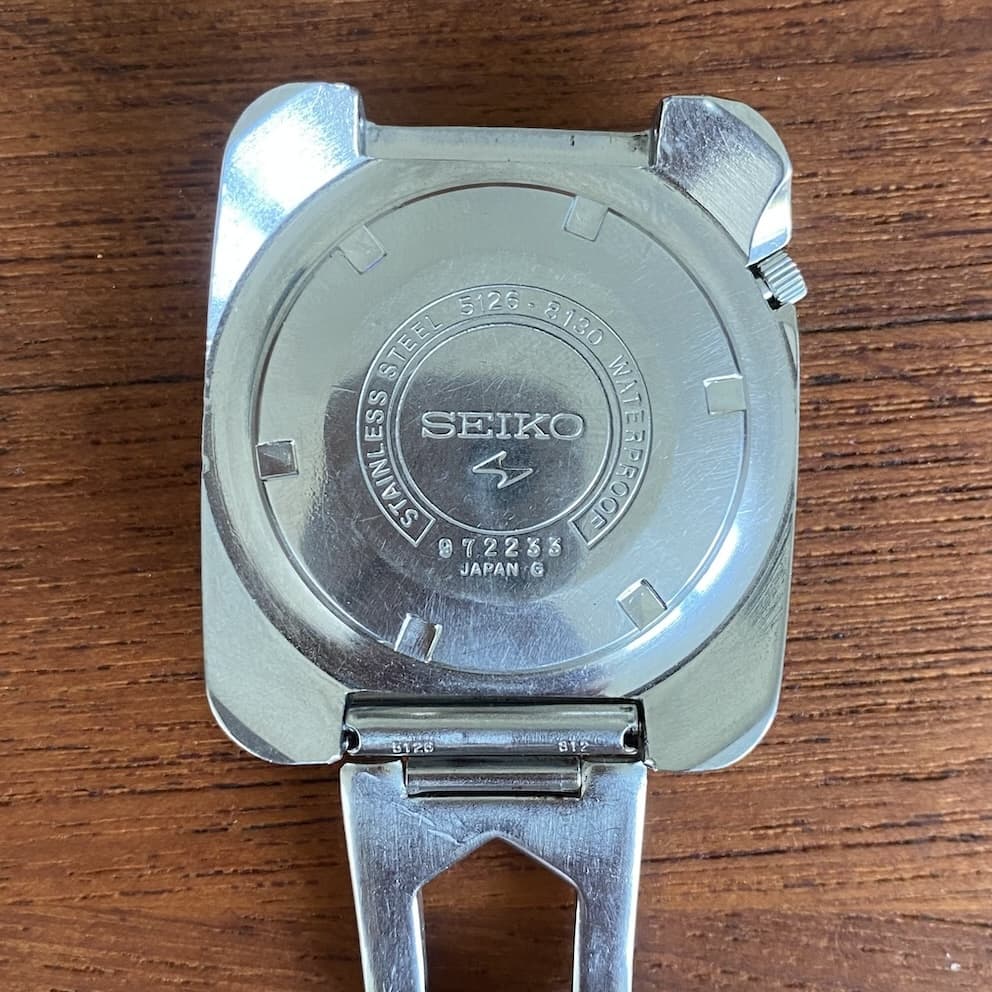
Example
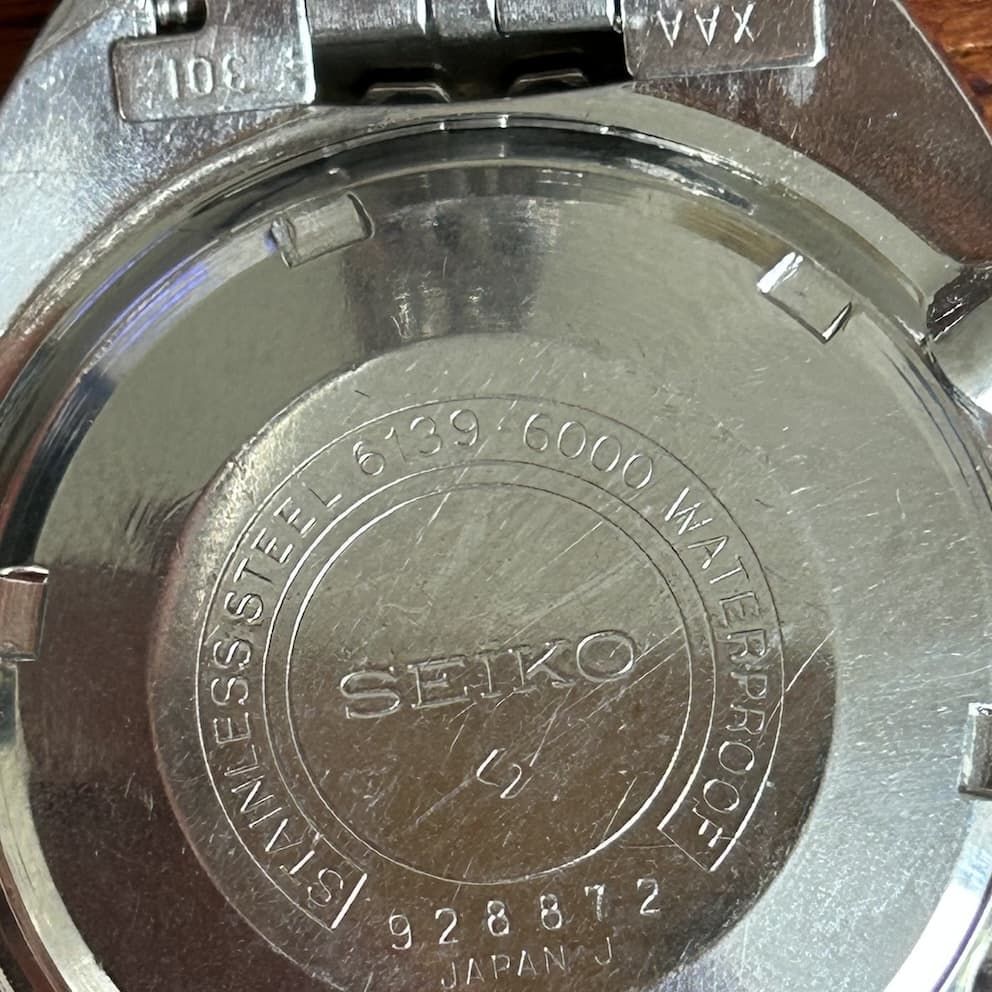
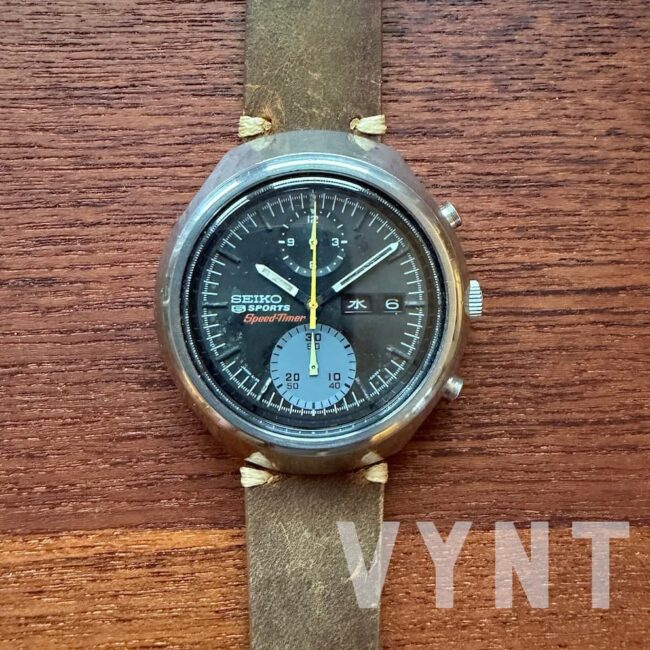
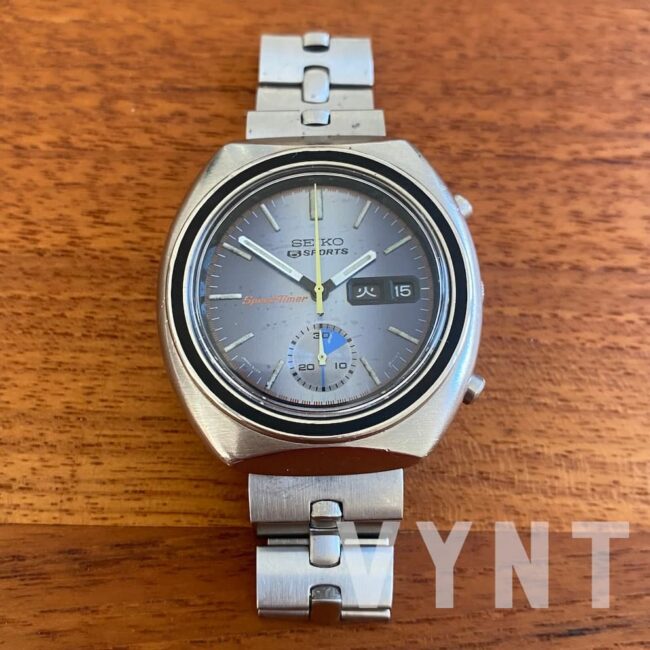
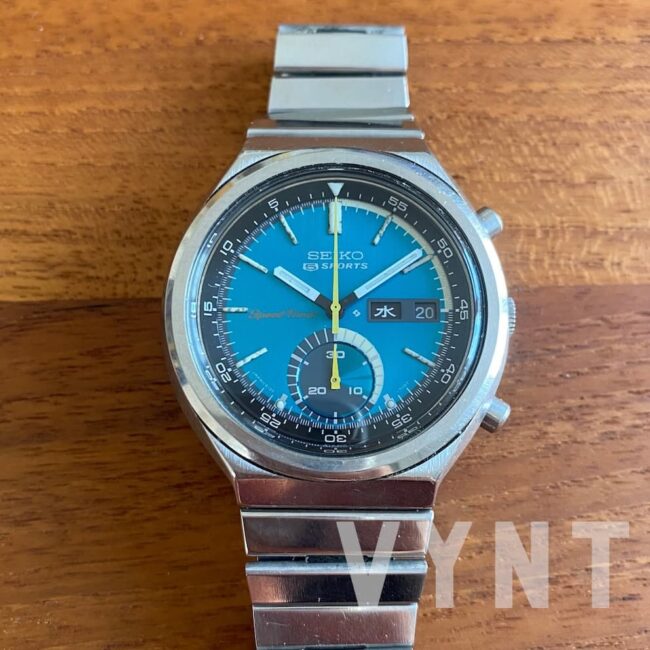
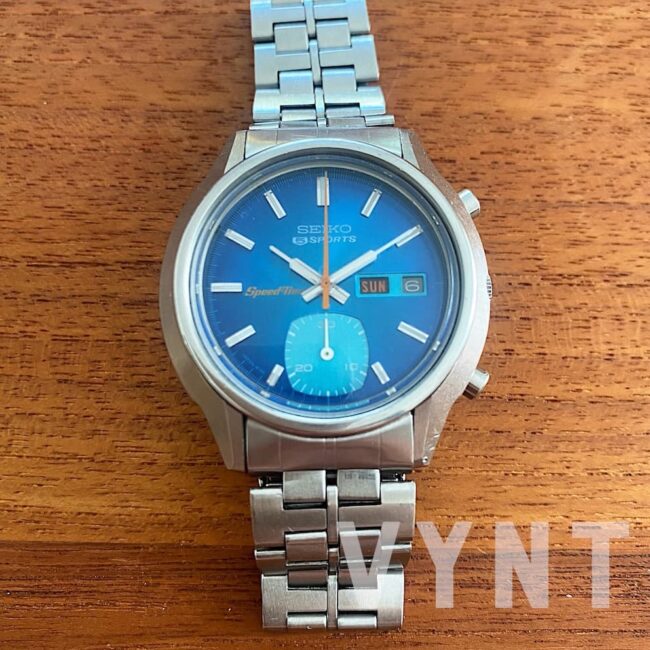
Early 6139-6000, made February of 1969
Where to find the serial number
Most vintage Seiko watches have a six-digit serial number engraved on the caseback.
It is usually located on the bottom, above “Japan” and may look something like this:
972233
(look at the picture above)
At first glance the number appears random, but it actually follows a simple system.
How Seiko serial numbers work
For most vintage Seiko watches produced from the late 1960s onward:
The first digit indicates the year
The second digit indicates the month
The remaining digits represent the production sequence. Look at the example:
Serial number:
972233
Breakdown:
9 → year ending in 9
7 → July
So the watch was produced in July of a year ending in 9.
To determine the exact decade, you simply look at the model and movement.
Determining the correct decade
Because the serial number only gives the last digit of the year, the reference number helps determine the correct decade.
Example:
Seiko 5126-8130
Production period: 1968–1971
Serial number:
972233
Interpretation:
Year ending in 9
Month July
Within the production period, the correct date becomes:
July 1969
Understanding Seiko reference numbers
Most Seiko watches include a movement and case reference on the caseback.
Example:
5126-8130
This code consists of two parts:
5126
→ movement (the automatic calibre)
8130
→ case design
Together, they define the specific watch model.
Collectors often use these reference numbers when identifying vintage Seiko watches.
Dial codes and additional numbers
Many vintage Seiko watches also include small numbers printed on the dial. These are often located near the bottom of the dial and can look like this:
JAPAN 6309-704L T
These numbers usually refer to:
- dial manufacturing codes
- dial variants
- internal production identifiers
They help identify variations of the same model but are usually less important for dating the watch.
Why the production date matters
Knowing the production date can be useful for several reasons:
Authenticity checks
Certain dial designs or casebacks were only used during specific production periods.
Collector interest
Some collectors enjoy finding watches produced in a particular year or month.
Historical context
Vintage Seiko watches from the 1970s and early 1980s were produced during one of the most innovative periods in the company’s history.
Models such as the legendary diver
Seiko 6105-8110
or the automatic chronograph
Seiko 6139-6002
come from this era.
Understanding production dates helps place these watches within that timeline.
Important limitations
Although the serial number system works well for most vintage Seiko watches, there are some exceptions.
- Certain models were produced for many years
- Some casebacks may have been replaced during servicing
- Early vintage models sometimes used slightly different systems
Because of this, serial numbers should always be interpreted together with the reference number and movement type.
Final thoughts
Dating a vintage Seiko watch is often easier than many collectors expect.
By combining three elements:
- the serial number
- the reference number
- the known production period
you can usually determine the production month and year with reasonable accuracy. For collectors, this small detail adds another layer to the story of a watch – connecting a piece of metal and mechanics to a very specific moment in time.