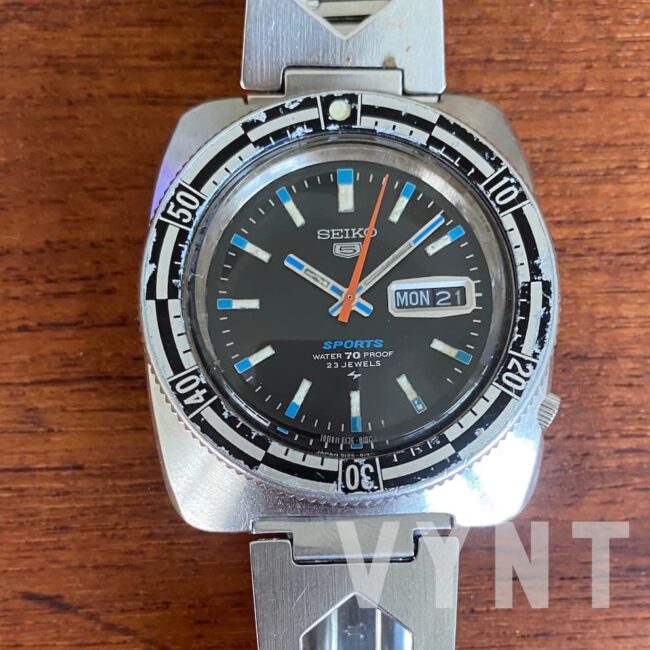
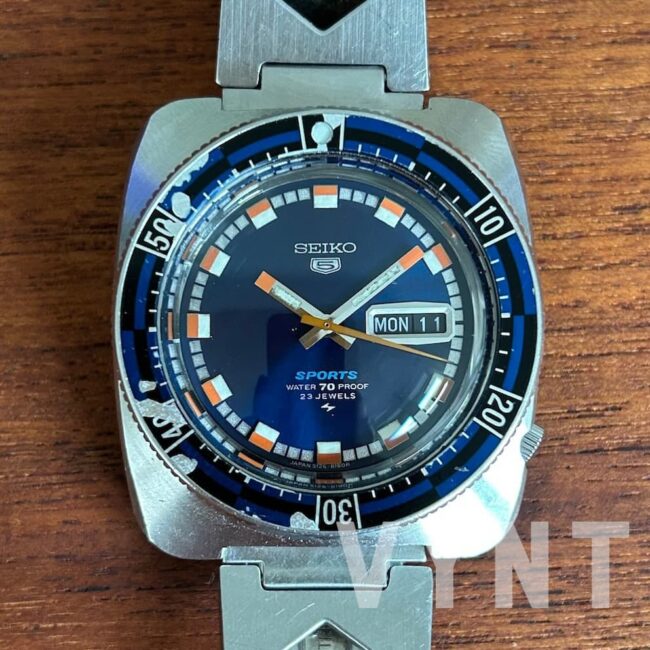

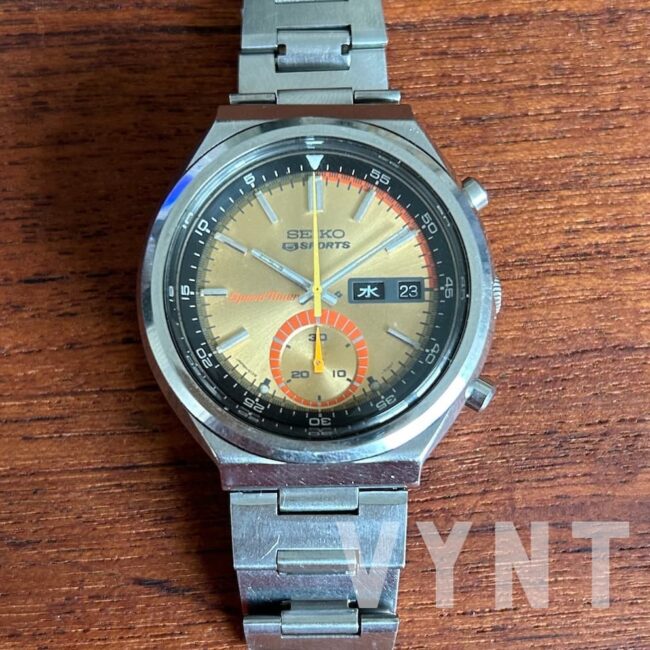
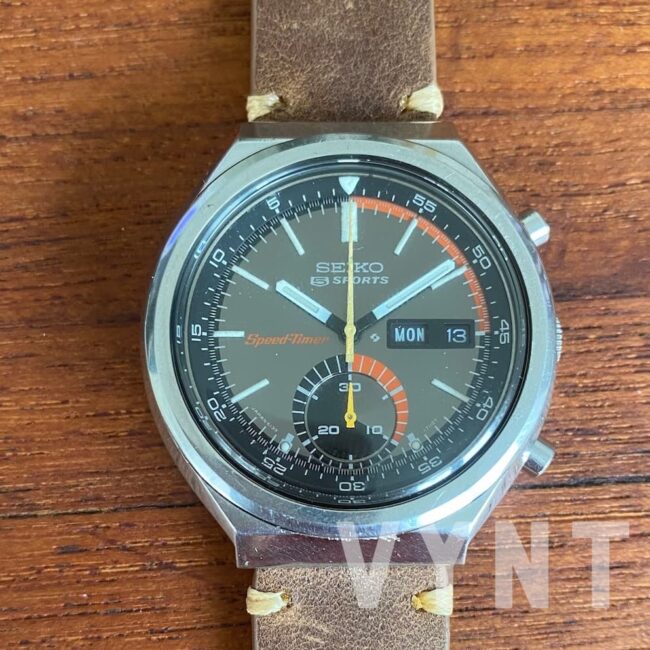

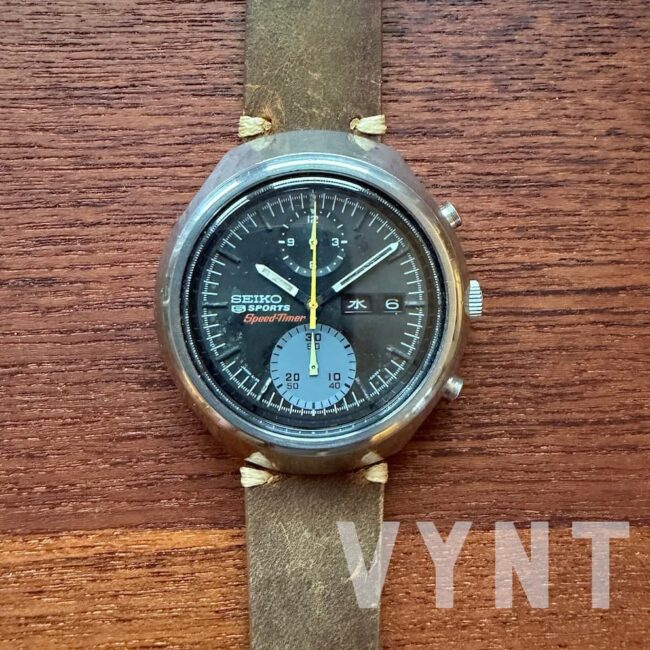
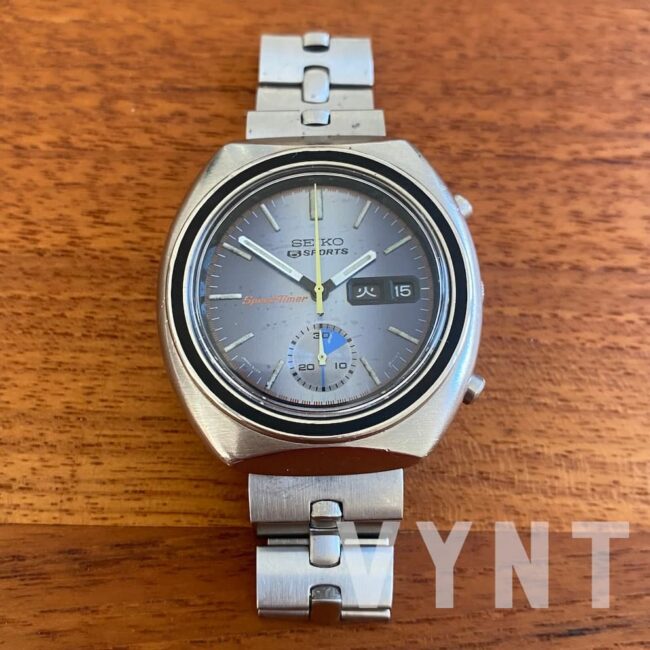

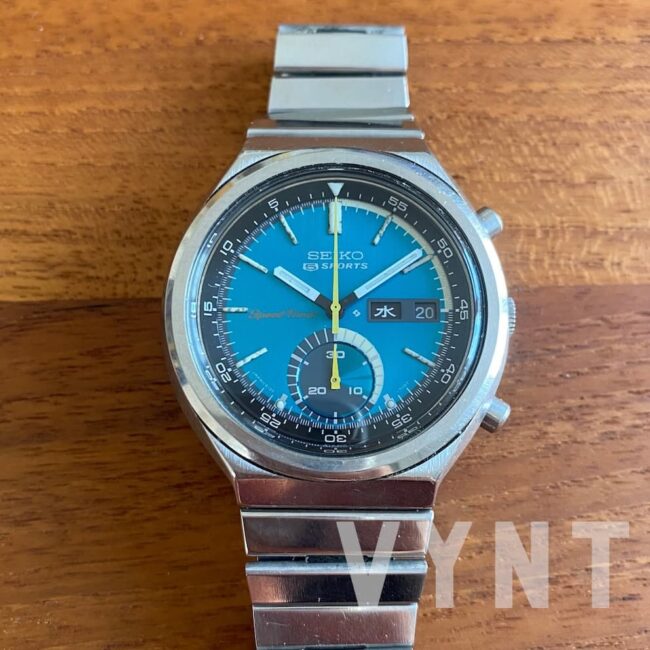
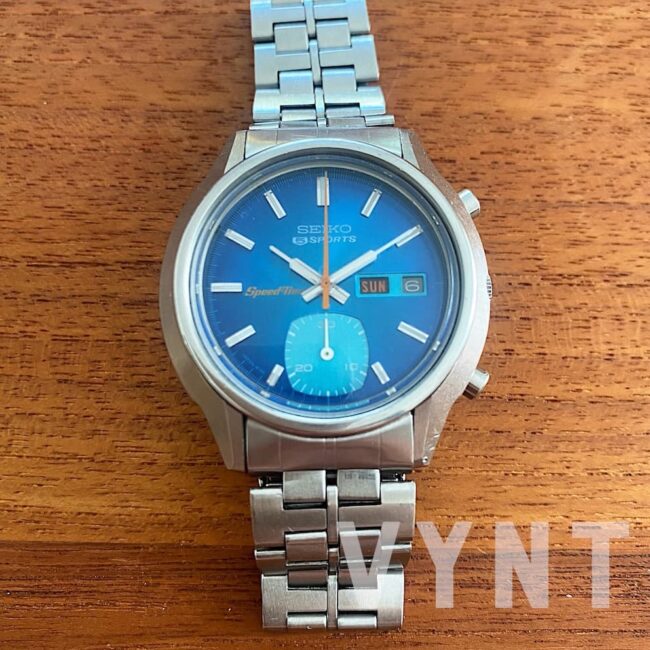
Original, Mod or Fake? A Collector’s Guide to Vintage Seiko Watches
written by Mads
February 4, 2024
Some links on this page may be affiliate links. If you purchase through them, I may receive a small commission at no additional cost to you.
Understanding Vintage Seiko Watches and Aftermarket Parts
Vintage Seiko watches have developed a passionate global collector community.
But once you start exploring this world, one question appears again and again:
Is this watch original, modified, or fake?
Understanding the difference is essential for collectors. Not only for authenticity, but also for appreciating how vintage watches survive decades of use, repair, and restoration.
Original Vintage Seiko Watches
An original vintage Seiko watch is a watch that has retained its authentic configuration from the time it left the factory. That means:
- correct movement for the model
- correct dial and hands
- correct case and reference number
- components that match the production period
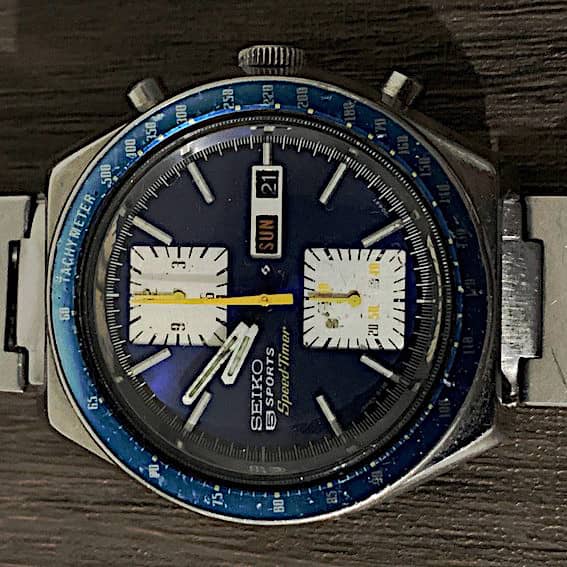
For example, a watch with a 6139A or 6139B movement should match the production year and model reference. Dial codes and caseback numbers should also fall within the expected production window (usually within a few months).
However, the definition of “original” is often debated among collectors. If Seiko installed a service hand during a repair, is the watch still original? What about a replacement crystal or a different bracelet?
Most collectors accept small service replacements as normal. Vintage watches were designed to be maintained, and parts inevitably wear out over time. For many enthusiasts, the important thing is that the core components remain correct for the watch.
Watch Mods – When Collectors Customize
In the vintage watch world, mods refer to modifications made to a watch after it left the factory.
These changes can range from subtle to dramatic.
Common modifications include:
- replacement dials
- different hands or bezels
- sapphire crystals instead of acrylic
- case swaps between compatible models
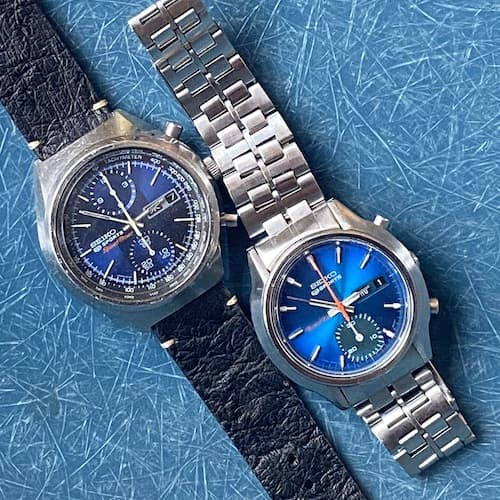
Some collectors strongly prefer untouched watches. Others see modifications as a way to revive neglected watches and adapt them to personal taste. When done thoughtfully, a mod can blend vintage design with modern usability.
A Personal Seiko Mod Example
Collectors often end up with boxes of spare parts and donor watches. Over time, interesting combinations can emerge. Years ago I purchased a neglected vintage Seiko chronograph online. Like many projects, it sat in a drawer for quite a while before I rediscovered it during a move.
Around the same time, I was searching for movement parts for another watch being serviced by a watchmaker friend. While digging through old donor watches from my time in Japan, I found a suitable movement and removed it.
What remained was an empty case and the original idea I had years before: combine the best parts and build something wearable again.
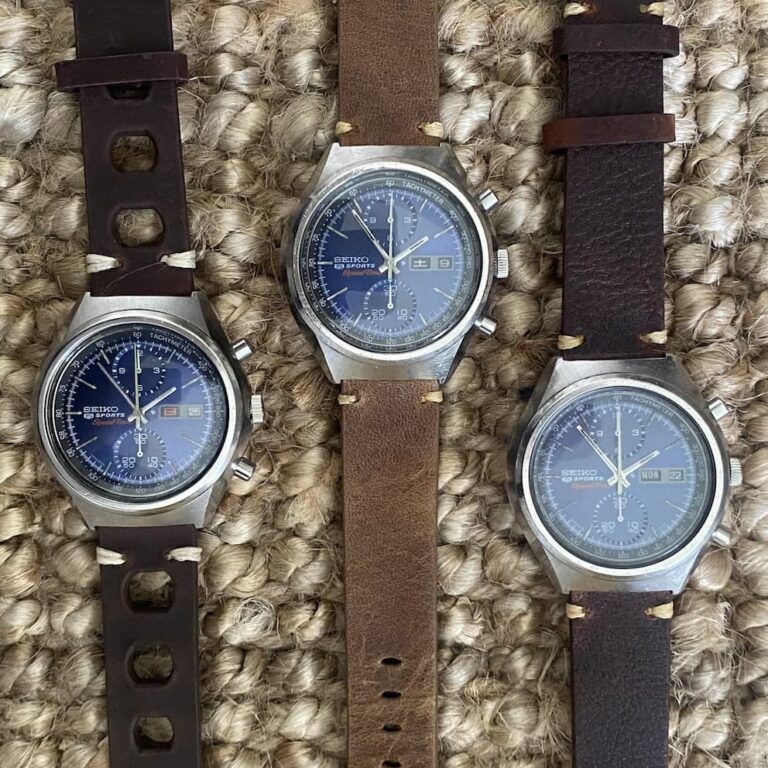
The result was a 1970s Seiko chronograph assembled entirely from original Seiko components, but arranged differently than they originally left the factory.
Purists might debate whether that is still “original.” Personally, I see it as a vintage Seiko with a new life. And I can tell you one thing: a friend of mine wanted the watch so badly, he begged and pleaded – until I gave in. And somehow I regret it, I miss my “first” mod.
The Role of Aftermarket Parts
Sometimes original replacement parts simply no longer exist. Vintage watches were never meant to sit in drawers forever. They were tools, meant to be worn and repaired. This is where aftermarket parts enter the picture.
Aftermarket components are produced by third-party manufacturers and can include:
- crystals
- crowns
- hands
- dials
- gaskets
While purists prefer fully original watches, aftermarket parts often make the difference between a watch working again or remaining unusable. As long as such replacements are clearly disclosed, many collectors accept them as a practical solution.
The Real Problem: Fake Watches
Where the vintage market becomes problematic is with counterfeit watches. Unlike mods or aftermarket repairs, fakes attempt to deceive buyers by imitating genuine watches.
The rise of online marketplaces has unfortunately made this more common. Some reproductions are easy to spot, while others can be surprisingly convincing.
For collectors, the rule is simple:
Avoid fakes at all costs.
They undermine the history, craftsmanship, and authenticity that make vintage watches so fascinating in the first place.
The Balance Between Preservation and Evolution
Vintage watches exist in a delicate space between history and practicality. Some collectors seek untouched originals. Others enjoy restoring or modifying watches to keep them alive and wearable.
Both perspectives have their place in the hobby.
What ultimately matters is transparency and respect for the watch’s history. Every vintage watch carries a story — shaped not only by the manufacturer, but also by decades of owners, repairs, and rediscovery. And that evolving story is exactly what makes collecting them so compelling.