


Vintage Seiko Watches – Why This Website Exists
written by Mads
October 31, 2023
Some links on this page may be affiliate links. If you purchase through them, I may receive a small commission at no additional cost to you.
Vintage watches often enter a collection quietly. A watch appears at a market, in a small shop or on the wrist of someone who has worn it for decades. At first it might simply be an interesting object. But over time something else happens — curiosity grows. For me, that curiosity eventually led to vintage Seiko watches.
Discovering vintage Seiko
Many collectors begin with Swiss watches. My path turned toward Japan. Seiko has a long tradition of producing reliable mechanical watches with distinctive designs. Throughout the 1960s, 70s and 80s the company introduced countless models — from robust everyday watches to innovative sports pieces and highly refined dress watches.
What makes many vintage Seiko watches particularly interesting is that a large number of models were originally produced for the Japanese Domestic Market (JDM). These watches were designed primarily for Japan and often remained relatively unknown outside the country for many years. For collectors, this creates a fascinating world of references, movements and design variations that still feels partly undiscovered.
The beauty of age
One reason vintage watches feel special is the way they age. Scratches on a case, slightly faded lume or a gently worn bezel are not necessarily flaws. They are traces of time. In Japanese aesthetics there is a concept often associated with this idea: Wabi-Sabi — an appreciation for imperfection and the beauty that develops through age.
Vintage Seiko watches often embody this idea naturally. Decades of use leave subtle marks that make each piece unique. Rather than trying to erase these signs of life, many collectors learn to appreciate them.
Why Seiko?
Seiko’s history is filled with innovation. The company developed its own mechanical movements, experimented with bold case designs and continuously refined its production techniques. Many watches from the 1970s and 80s combine robust engineering with a design language that still feels modern today.
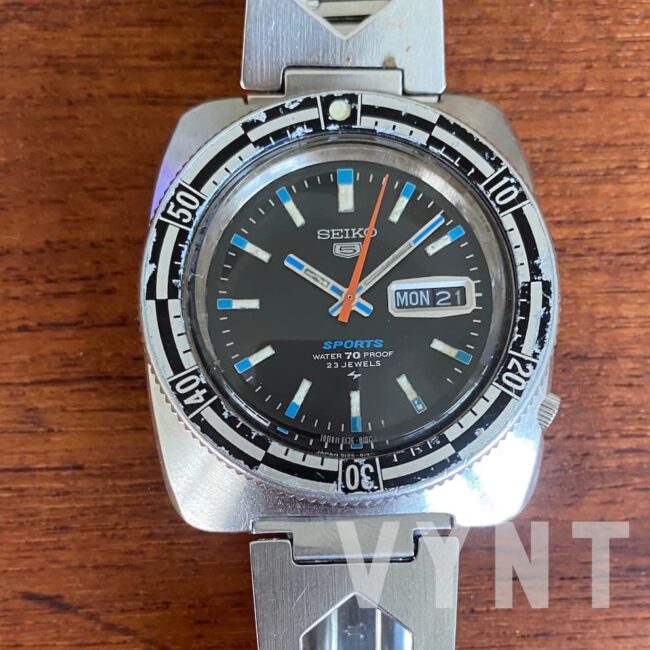
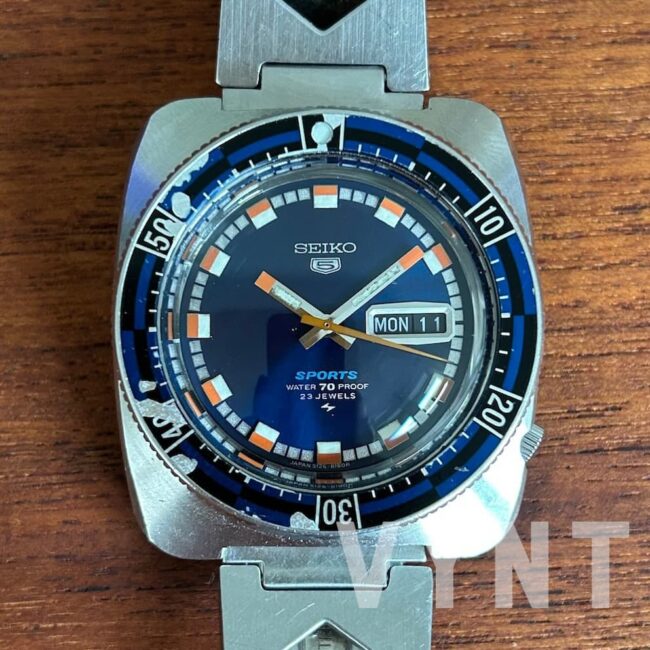
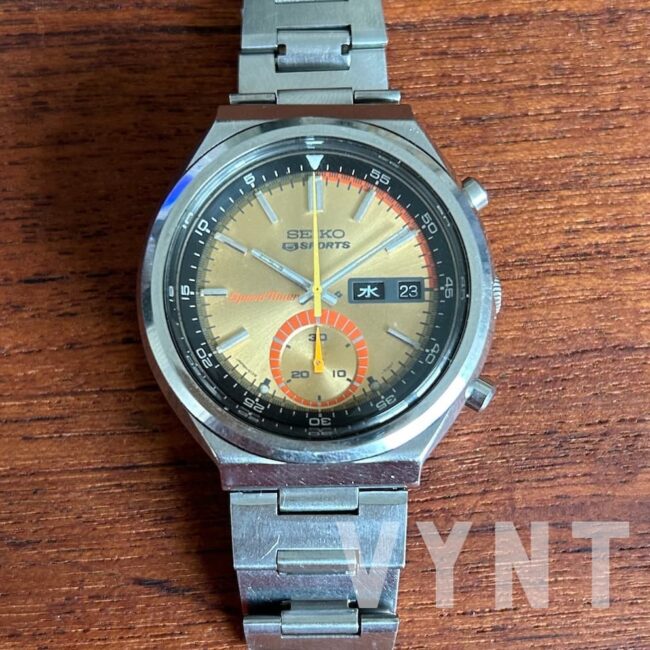
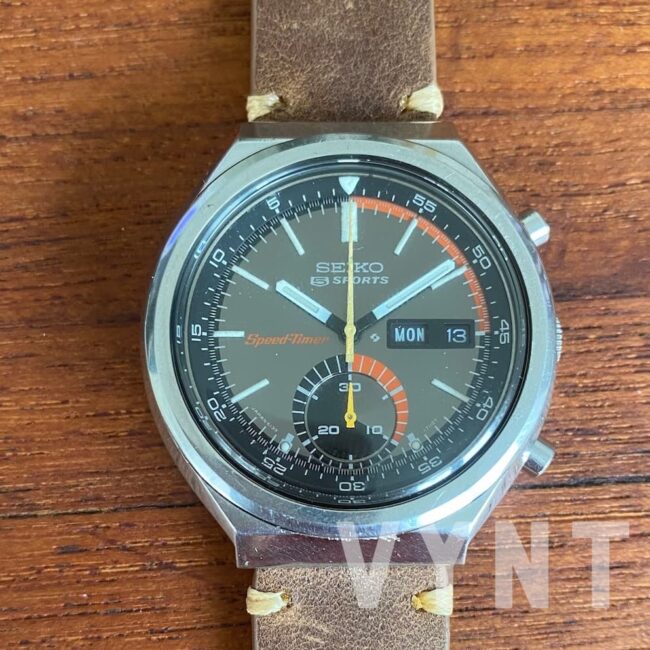
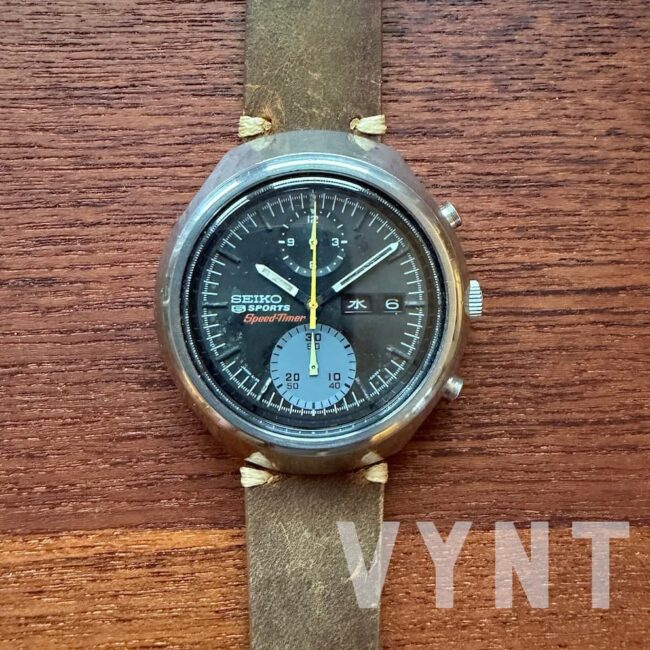
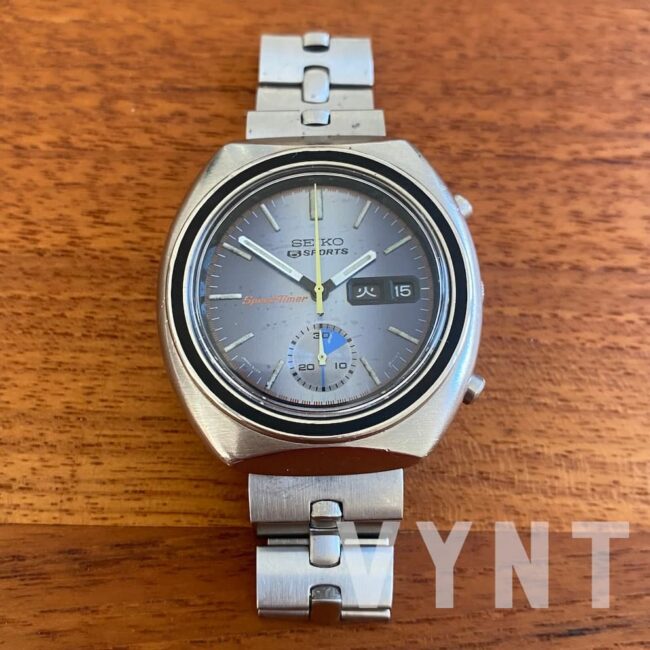
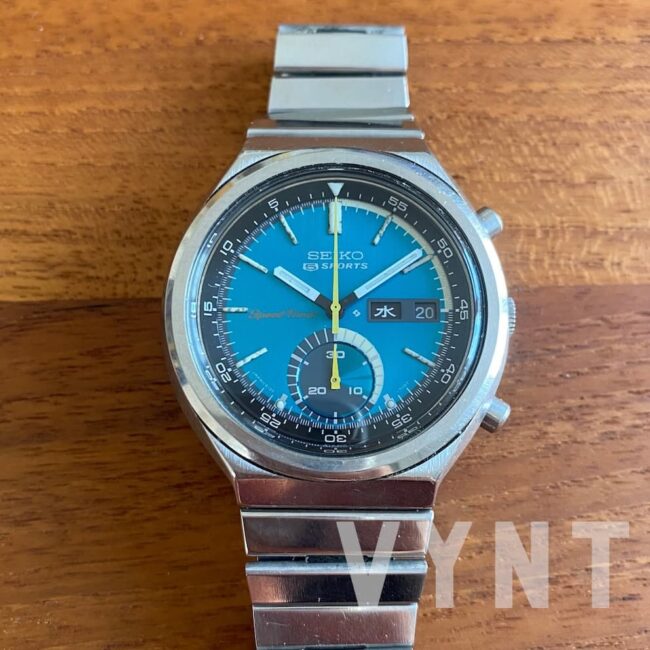
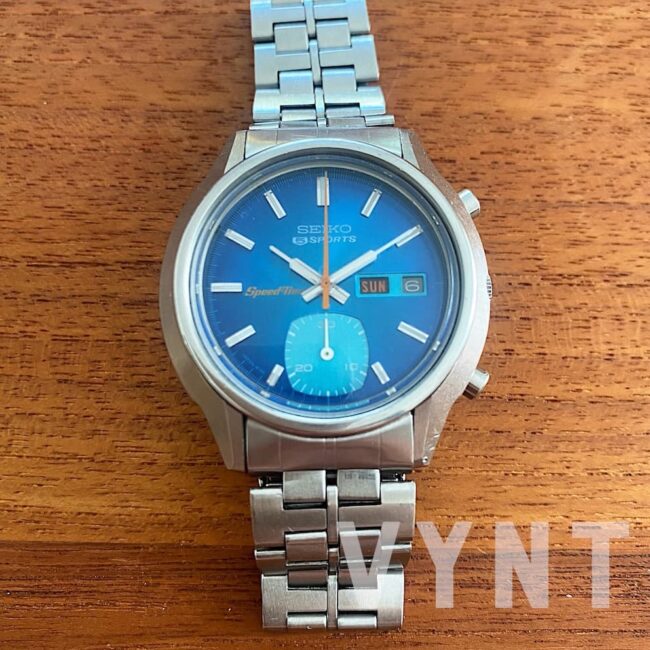
Models like the Seiko 6105 diver, the Seiko 6139 chronograph or the countless variations of the Seiko 5 series show how diverse Seiko’s watchmaking really was during that period. For collectors, this diversity makes vintage Seiko particularly rewarding to explore.
Building a collection
Over time my interest in these watches slowly turned into a collection. What began with a single watch gradually expanded as new references appeared, interesting dial variations surfaced and forgotten models emerged from drawers and small shops. Some watches stayed. Others eventually moved on to other collectors. But each piece added another small chapter to the larger story of vintage Seiko.
The idea behind VYNT
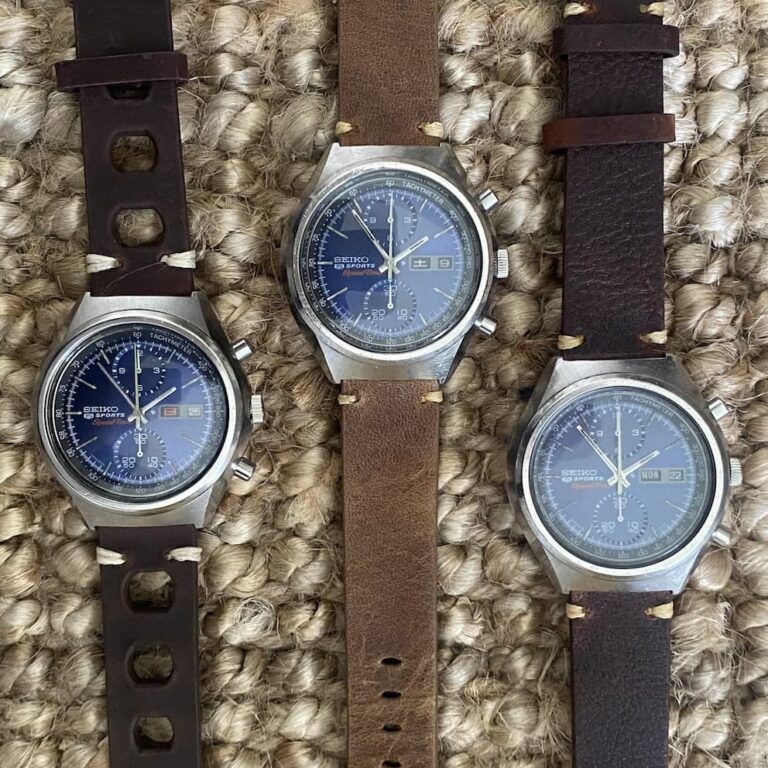
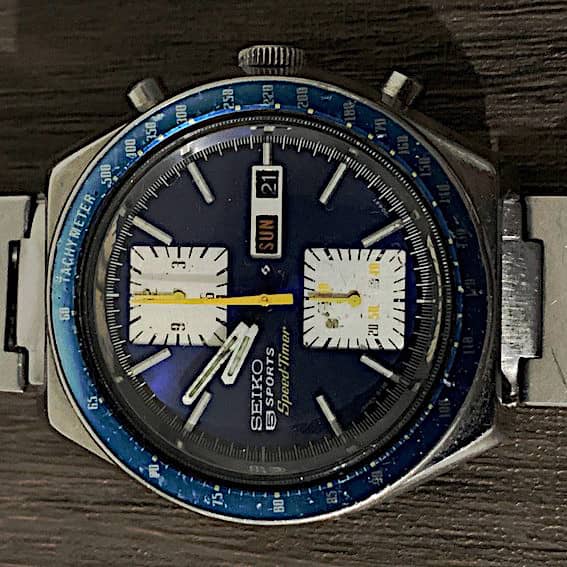
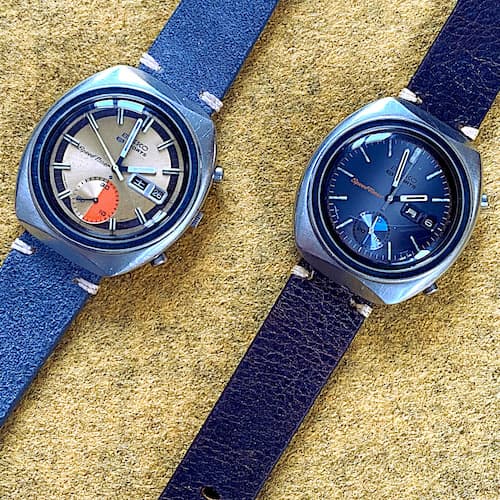
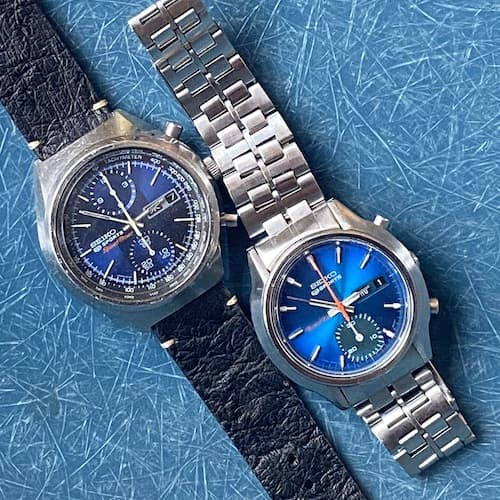
This website exists for a simple reason: to document that fascination. Here you will find photographs of watches from my collection, notes on specific models and occasional guides for collectors who share an interest in vintage Japanese watches.
It is not intended to be a complete catalogue. Seiko produced far too many watches for that. Instead, VYNT is a growing archive — a place to explore the design, engineering and quiet character of vintage Seiko watches.
A growing archive
Over time this site will expand with:
- watches from my personal collection
- notes on vintage Seiko models
- collecting guides
- and occasionally a few watches available for other collectors
If you enjoy vintage Seiko watches or Japanese design in general, you are very welcome to follow along. The journey has only just begun.